Best Day Trips from Limassol, Cyprus
One of Limassol’s greatest advantages as a base for exploring Cyprus is its central southern coast location. Within an hour’s drive, you can reach mountain peaks, ancient ruins, wine-producing villages, and some of the island’s most dramatic coastline. Whether you have a car or are willing to join a tour, these day trips reveal the remarkable diversity that a small island can contain.
Troodos Mountains
Distance from Limassol: 40 to 75 minutes by car, depending on destination Best for: Nature, hiking, mountain villages, cooler temperatures
The Troodos mountain range is the green heart of Cyprus, rising to 1,952 meters at Mount Olympus (not to be confused with Greece’s more famous namesake). For visitors based on the Limassol coast, the mountains offer a dramatic change of scenery and temperature — on a 38-degree summer day in Limassol, the Troodos peaks will be a comfortable 25 degrees.
What to See and Do
Platres: The most popular mountain resort village, about 45 minutes from Limassol. Platres has a pleasant main street with cafes, restaurants, and shops. The Caledonia Waterfall trail is a 3-kilometer hike through shaded forest to a picturesque waterfall. The Millomeris Waterfall is another option, shorter and more accessible.
Mount Olympus: The highest point in Cyprus. In summer, the drive up provides panoramic views over the island. In winter (January to March), a small ski resort operates on its slopes — the novelty of skiing in the morning and swimming in the Mediterranean afternoon is a uniquely Cypriot experience.
Painted Churches: Several Byzantine churches in the Troodos region are UNESCO World Heritage Sites, famous for their medieval frescoes. The Church of Panagia tou Araka near Lagoudera and the Church of Agios Nikolaos tis Stegis near Kakopetria are among the most impressive. These are small rural churches, so check opening hours before visiting.
Kakopetria: A beautifully preserved mountain village about an hour from Limassol. Its old quarter features stone buildings, narrow lanes, and a riverside setting. It is an excellent lunch stop.
Practical Tips
- The road from Limassol to Troodos is winding but well-maintained. If you are prone to car sickness, take the motorway north and approach from the Nicosia side, which has straighter roads.
- Bring layers even in summer — the temperature drop from coast to peak can exceed 10 degrees.
- Mountain tavernas serve excellent trout, local sausages (loukaniko), and hearty Cypriot dishes.
Kourion Archaeological Site
Distance from Limassol: 20 minutes west by car Best for: History, archaeology, dramatic views
Kourion is arguably the most spectacular archaeological site in Cyprus, and its proximity to Limassol makes it an easy half-day excursion.
What to See
The Amphitheater: Restored and still used for performances, this Greco-Roman theater sits on a cliff edge with sweeping views over the sea. It is one of the most photographed spots in Cyprus and genuinely breathtaking.
The House of Eustolios: Adjacent to the theater, this Roman-era complex contains remarkably well-preserved mosaic floors depicting fish, birds, and geometric patterns.
The Basilica: Early Christian ruins with mosaic floors, offering insight into the transition from pagan to Christian Cyprus.
The Stadium: A short drive from the main site, the ancient stadium once hosted athletic competitions and can still be walked through.
Kourion Beach
Below the archaeological site, Kourion Beach is a long, undeveloped stretch of coast popular with surfers and those seeking a wilder beach experience than the organized beaches of Limassol. The combination of morning ruins and afternoon beach makes this one of the best half-day outings from the city.
Practical Tips
- Arrive early, especially in summer. The site has minimal shade, and afternoon heat makes exploration uncomfortable.
- Entry fee is approximately 4.50 euros. A combined ticket with nearby Kolossi Castle offers better value.
- The on-site cafe is basic. Consider bringing water and snacks.
Paphos
Distance from Limassol: 70 minutes west via the A6 motorway Best for: UNESCO archaeology, harbor atmosphere, Aphrodite’s Rock
Paphos was the European Capital of Culture in 2017, and its historical significance stretches back millennia. A day trip from Limassol allows you to experience the highlights.
What to See
Kato Paphos Archaeological Park: A UNESCO World Heritage Site featuring Roman mosaics that are among the finest in the eastern Mediterranean. The House of Dionysus alone contains dozens of mosaic panels depicting mythological scenes. Allow at least two hours for the park.
Paphos Harbor: The medieval castle at the harbor entrance anchors a waterfront lined with restaurants and cafes. The atmosphere is more compact and charming than Limassol’s marina.
Tombs of the Kings: Carved into solid rock, these Hellenistic-era tombs are impressive in scale despite the misleading name (they housed wealthy citizens, not actual kings). The site is free-standing and can be explored at your own pace.
Aphrodite’s Rock (Petra tou Romiou): Located about 25 kilometers east of Paphos (and therefore conveniently on the route between Limassol and Paphos), this legendary birthplace of the goddess Aphrodite is a striking coastal rock formation. The beach is pebbly and the waters can be rough, but the setting is undeniably dramatic. Stop on the way to or from Paphos rather than making it a destination in itself.
Practical Tips
- Paphos is a full-day trip. Leave Limassol by 9 AM to have enough time.
- Parking at the archaeological park and harbor is available but can fill up in summer.
- The harbor restaurants are tourist-oriented and overpriced. Better dining options exist on the side streets.
Nicosia (Lefkosia)
Distance from Limassol: 75 minutes north via the A1 motorway Best for: Culture, shopping, the Green Line experience, museums
The world’s last divided capital is a fascinating day trip. Nicosia offers something entirely different from Limassol’s coastal character — a walled old city split between the Republic of Cyprus and Northern Cyprus, museums, and a vibrant urban energy.
What to See
Ledra Street and the crossing point: The main pedestrian shopping street leads to the Green Line checkpoint, where you can cross into the northern side of the city with just a passport or ID. Walking across a UN buffer zone between two different political realities is a unique and thought-provoking experience.
The Cyprus Museum: The island’s premier archaeological museum, housing artifacts spanning 10,000 years. The collection includes Mycenaean pottery, Roman statuary, and the famous Aphrodite of Soli.
Buyuk Han (in the north): Cross the Green Line to visit this beautifully restored Ottoman caravanserai, now home to artisan shops and a cafe. It is one of the finest Ottoman buildings in the eastern Mediterranean.
Shacolas Tower Observatory: A viewing platform on the top floor of a city-center building, offering panoramic views over both sides of the divided city.
The Venetian Walls: The star-shaped fortification walls that encircle the old city are remarkably intact and provide structure for exploring on foot.
Practical Tips
- Bring your passport for the Green Line crossing. EU citizens can cross freely; non-EU visitors should check current requirements.
- Nicosia is hotter than Limassol in summer (no sea breeze) and can feel oppressive in July and August.
- The old city is walkable, but wearing comfortable shoes on the uneven streets is important.
- Turkish Lira is used in the north, but euros are widely accepted at slightly unfavorable rates.
Limassol Wine Villages
Distance from Limassol: 30 to 60 minutes north, depending on the village Best for: Wine tasting, traditional architecture, Cypriot village life
The hills north of Limassol form one of Cyprus’s primary wine-growing regions. A tour through the wine villages combines scenic driving with tasting opportunities and a glimpse of traditional Cypriot rural life.
Key Villages
Omodos: The most visited and perhaps most photogenic wine village. Its central square, dominated by the Timios Stavros Monastery, is lined with stone buildings housing wine shops, restaurants, and craft stores. Several wineries offer tastings, and the village’s sweet wine (Commandaria) is a must-try — it is considered the oldest named wine still in production.
Lofou: A quieter, less touristic alternative to Omodos. This stone-built village has been beautifully restored and has a handful of restaurants and cafes. The narrow lanes and preserved architecture make it one of the prettiest villages in Cyprus.
Koilani: Known for its winemaking heritage and the small Pastelli Museum (dedicated to the traditional Cypriot carob and grape sweet). Several family wineries welcome visitors for tastings.
Vouni: Home to Vouni Panayia Winery, one of the island’s well-regarded producers. The village itself is small and charming.
Wine Tasting Tips
- Most village wineries welcome walk-in visitors, but calling ahead during off-season (November to March) is advisable.
- Tasting fees are minimal (often free with a purchase) or around 5 to 10 euros for a guided tasting.
- Try Commandaria (the sweet dessert wine), Xynisteri (a crisp white grape native to Cyprus), and Maratheftiko (a robust indigenous red).
- If you plan to taste at multiple wineries, designate a driver or join a guided tour.
Kolossi Castle
Distance from Limassol: 15 minutes west Best for: A quick historical stop, easily combined with Kourion
This compact medieval castle was a headquarters for the Knights Hospitaller and later the Knights Templar. It gave its name to Commandaria wine, which was produced in the surrounding area under Crusader supervision. The castle is well-preserved, and you can climb to the top for views over the surrounding countryside. A visit takes 30 to 45 minutes and pairs well with Kourion as a morning itinerary.
Planning Your Day Trips
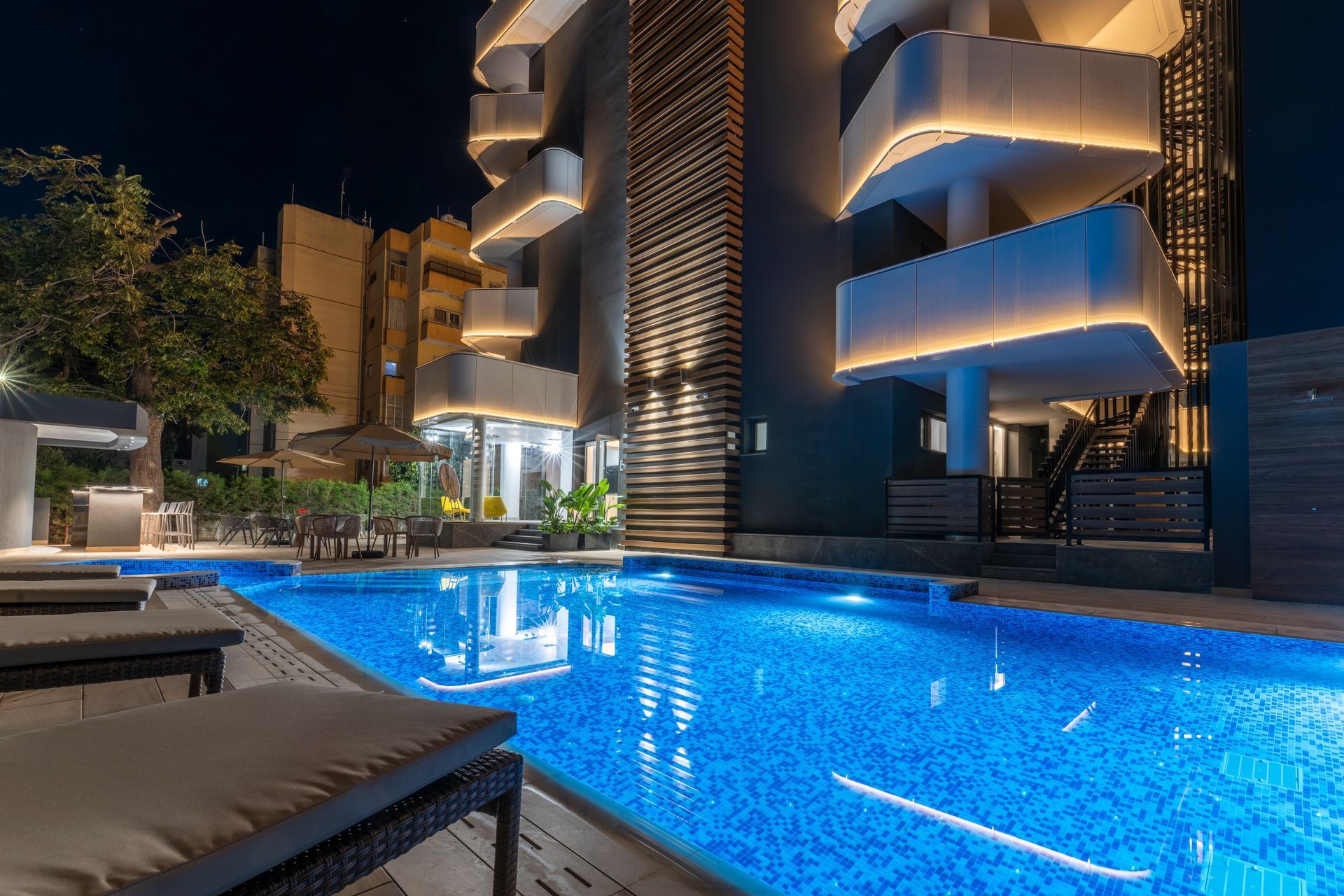
From Germasogeia: Most day trips start with a drive west (Kourion, Paphos, wine villages) or north (Troodos, Nicosia). If you are staying in the tourist area — for example at 26 Suites on Kalliopis Street — you are close to the A1 motorway interchange, making it easy to head in any direction.
Car rental: Essential for most day trips. Limassol’s bus connections to outlying areas are limited and slow. Rental cars are affordable (30 to 50 euros per day) and driving in Cyprus is straightforward, aside from remembering to drive on the left.
Timing: Start early, particularly for Paphos and Nicosia, which require the most travel time. Troodos and the wine villages are better in the afternoon when the mountain light is warmest.
Combining trips: Kourion and Kolossi Castle combine naturally into a half-day. The wine villages can be visited on the way to or from Troodos. Aphrodite’s Rock is a convenient stop on the Paphos route.
Cyprus may be a small island, but its density of historical sites, natural beauty, and cultural variety means that even a two-week stay in Limassol can include a different day trip every few days without repeating yourself. The drives are short, the scenery changes dramatically, and each destination adds a different layer to your understanding of this remarkable island.